- 01535 652338
- mail@watsonsbs.com


Blog

The FM's Guide to Compliance Documentation
WBS
General
For facilities managers, maintaining compliance involves far more than scheduling statutory inspections and planned maintenance. It also depends on having accurate, accessible records that demonstrate building systems have been maintained correctly and in accordance with relevant regulations and guidance.
Whether you are preparing for an audit, managing contractor performance or responding to an equipment failure, maintenance documentation provides the evidence that work has been completed, recommendations have been made, and compliance obligations have been met. Without it, even well-maintained assets can become difficult to defend.
This guide explores why compliance documentation is an essential part of facilities management, the records every FM should maintain, and how good documentation helps reduce operational, financial and legal risk.
Compliance Requires Evidence, Not Assumptions
Meeting compliance obligations isn't simply about carrying out maintenance; it is about being able to prove it.
Many statutory requirements place equal importance on maintaining accurate records. For example, the Environment Agency and DEFRA's guidance on the UK Fluorinated Greenhouse Gases Regulations requires operators of qualifying refrigeration, air conditioning and heat pump equipment to keep records of refrigerant quantities, mandatory leak checks, servicing activities and the certified companies carrying out the work.
These records must be retained for at least five years and made available to regulators on request.
Similarly, the Health and Safety Executive (HSE) states that employers have a duty under the Health and Safety at Work etc. Act 1974 to ensure effective ventilation where required. Demonstrating that ventilation systems are regularly inspected, tested and maintained forms part of fulfilling that responsibility.
For facilities managers, documentation provides evidence of due diligence, supports compliance audits and demonstrates that reasonable steps have been taken to maintain safe, reliable building services.
The Essential Compliance Records Every FM Should Maintain
While documentation requirements vary between building types, every facilities manager should ensure key maintenance records are complete, accurate and easy to retrieve. Maintaining a comprehensive audit trail not only demonstrates compliance but also provides valuable operational insight throughout an asset's lifecycle.

PPM REPORTS
Scheduled maintenance records and engineer reports.

F-GAS LOGBOOK
Refrigerant quantities, leak checks, servicing and engineer details.

VENTILATION REPORTS
Inspection, testing and maintenance records for ventilation systems.

ASSET REGISTER
Up-to-date inventory of assets, locations and key information.

TEST CERTIFICATES
Electrical, gas, hygienic and statutory test results.
REMEDIAL ACTIONS
Fault reports, corrective actions and follow-up records.
Healthcare Facilities Demand Even Greater Assurance
In healthcare environments, robust documentation becomes even more critical.
NHS England's Health Technical Memorandum (HTM) 03-01 Part B provides comprehensive guidance on the management, operation, maintenance and routine testing of healthcare ventilation systems. It recommends that organisations maintain documented evidence of inspections, testing, performance verification and maintenance activities to demonstrate that critical ventilation systems continue to operate safely and effectively.
Documentation may include:
- Airflow and pressure verification
- Filter inspection and replacement records
- Validation and commissioning reports
- Routine maintenance reports
- Corrective actions following identified defects
Comprehensive records support infection prevention measures, simplify audits and provide confidence that specialist ventilation systems continue to perform as intended.

PPM INSPECTION
Engineers carry out scheduled inspections and collect asset performance data.

SERVICE REPORT
Findings are recorded on-site, including measurements, observations and equipment status.
RECOMMENDATIONS & ACTIONS
Engineers recommend any remedial actions or improvements identified.

REMEDIAL WORKS
Agreed works are completed by qualified engineers in line with industry standards.

COMPLIANCE RECORD
All works and tests are documented, certificates and reports are stored securely.
AUDIT-READY EVIDENCE
Complete, accurate records are readily available for regulators, audits and insurance assurance.
Documentation Is Your Best Defence When Problems Occur
Maintenance records often become most valuable when something goes wrong.
Equipment failures, warranty claims, insurance investigations or regulatory inspections all require evidence that systems have been maintained appropriately. Accurate documentation allows facilities managers to demonstrate exactly what work was carried out, when it was completed and whether any recommendations were raised.
Clear records can help resolve issues involving:
- Equipment failures
- Warranty disputes
- Insurance claims
- Contractor responsibilities
- HSE investigations
- Occupant complaints relating to building performance
Without documented evidence, establishing responsibility becomes significantly more difficult, and organisations may face unnecessary delays, costs or disputes.
Digital Documentation Is Becoming Best Practice
Paper logbooks are increasingly being replaced by digital maintenance management systems that make compliance information easier to capture, retrieve and manage. For facilities managers, instant access to maintenance records can simplify audits, support compliance and improve asset management.
For larger estates and multi-site portfolios, Computer-Aided Facilities Management (CAFM) and Computerised Maintenance Management System (CMMS) platforms such as IBM Maximo, Planon and MRI Evolution provide centralised management of assets, planned maintenance and compliance records.
For single sites and smaller estates, cloud-based systems including Joblogic, simPRO and UpKeep enable engineers to record maintenance digitally, attach photographs, generate service reports and maintain complete asset histories.
Regardless of the platform, digital maintenance records typically provide:
- Instant access to service histories and compliance documents
- Photographic evidence of inspections and completed works
- Automated PPM scheduling and reminders
- Storage of certificates, F-Gas records and test reports
- Visibility of outstanding remedial actions
The result is a clear, consistent audit trail that supports regulatory compliance, improves communication between contractors and facilities teams, and provides greater confidence when managing building assets.
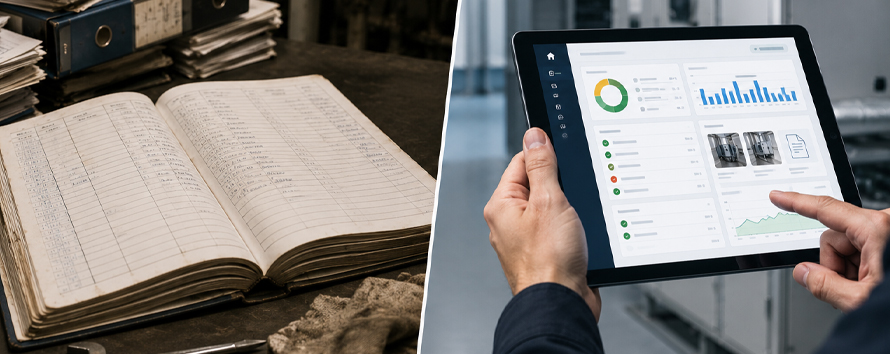
Digital documentation helps standardise compliance processes while making essential information available whenever it is needed.
Compliance Is a Continuous Process
Building compliance is not achieved through a single inspection or annual certificate. It depends on consistent maintenance, accurate record keeping and continual review.
CIBSE Guide M: Maintenance Engineering and Management highlights the importance of structured maintenance management and comprehensive documentation in supporting reliable building performance throughout an asset's lifecycle.
By maintaining robust compliance records alongside Planned Preventative Maintenance, facilities managers gain greater visibility over their assets and simplify regulatory inspections and strengthen their ability to make informed operational decisions.
How Watsons Building Services Supports Compliance
At Watsons Building Services, we believe maintenance should deliver more than reliable building performance; it should also provide complete confidence in your compliance position.
Our Planned Preventative Maintenance (PPM) services include detailed service reports, asset condition assessments, F-Gas record management, ventilation inspection records and clear recommendations where remedial works are required.
For healthcare environments, our engineers work in accordance with relevant Health Technical Memoranda (HTMs), supporting estates teams with the documentation needed to demonstrate ongoing compliance.
Good maintenance keeps buildings operating efficiently. Good documentation proves it. Together, they provide facilities managers with the assurance needed to protect people, buildings and organisations.
Frequently Asked Questions
Planned Preventative Maintenance (PPM) is the scheduled servicing and inspection of building systems to help maintain performance and reduce the likelihood of failures. Compliance documentation is the evidence generated from those activities, such as service reports, inspection certificates and maintenance records. Together, they demonstrate that maintenance has been completed correctly and supports regulatory compliance.